01 / CRYOLOGY
Navigating Sub-Zero Sleep: Finnish Glass Igloos & Swedish Snice
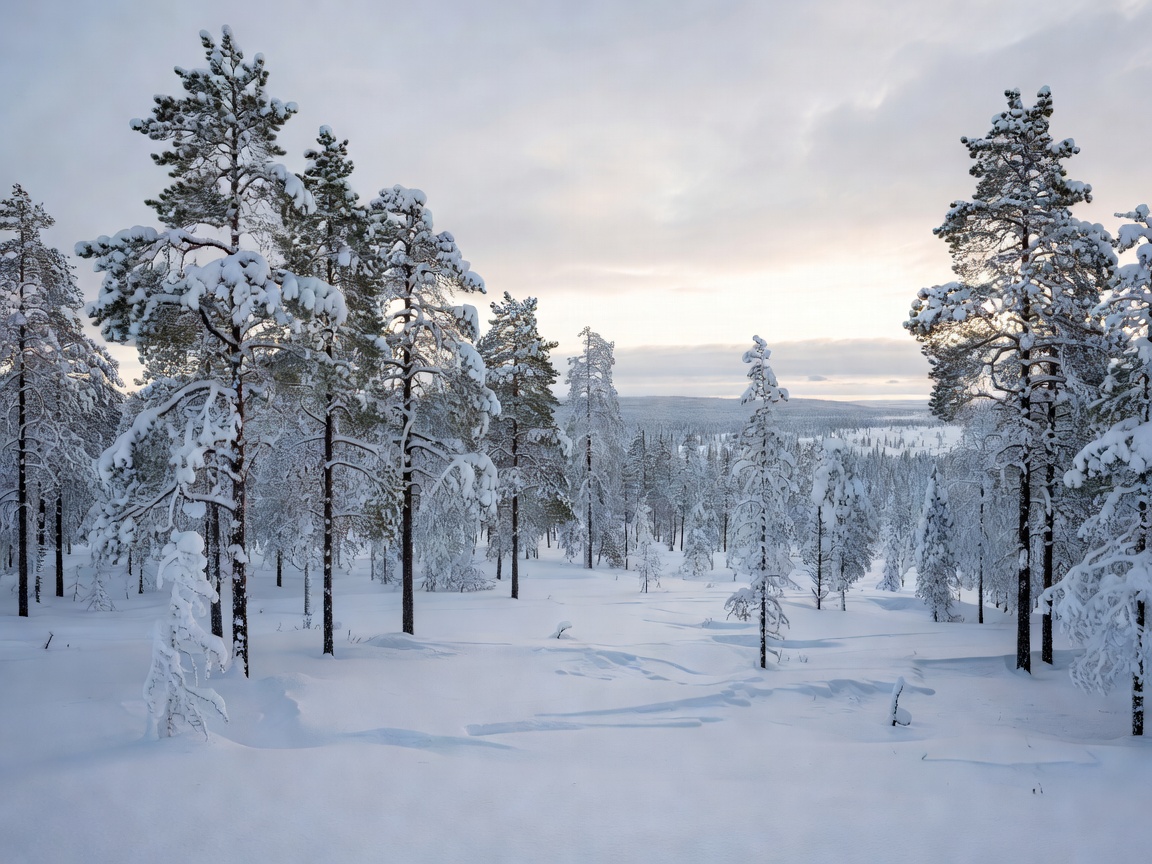
When sleeping inside Sweden’s Icehotel Jukkasjärvi or Finland’s Kakslauttanen Arctic Resort, external temperatures frequently plumb beneath -35°C (-31°F). The interior of natural river-ice art suites stabilizes at a predictable -5°C to -8°C regardless of the storm raging across the taiga outside.
Operational Protocols:
- Thermal Baselayers: Synthetic cotton retains moisture and drops body temperature rapidly. Strictly employ 200g/m² or 260g/m² pure merino wool next to your skin, followed by a fleece mid-layer.
- Lithium Battery Hibernation: Mobile phones, camera mirrorless batteries, and wireless earbuds drain within 20 minutes if exposed directly to ambient -5°C atmosphere. Keep electronics inside an insulated inner pocket close to your core body warmth.
- The Snice Sleeping Bag System: The Swedish Icehotel equips every room with polar-grade expedition mummy bags tested down to -40°C. Strip off your heavy snowshoes and outer parkas before crawling inside; your body heat warms the internal loft of the down bag far more effectively when wearing solely thermal underwear.
02 / TROGLODYTIC CAVERNS
Living in Tufa Stone: Microclimates of Matera & Swedish Mines
Carved out of soft calcareous tufa rock or subterranean silver lodes, locations like Sextantio Le Grotte della Civita in Basilicata and Sweden's Sala Silvergruva (155 meters deep) defy traditional indoor climate control assumptions.
Tufa stone is naturally hygroscopic: it inhales ambient humidity during damp mornings and exhales dry air under afternoon warmth. At Sextantio, discreet underfloor radiant hydronic heating preserves natural cave dry air without intrusive ventilation machinery.
Faraday Cave Effect: Total Digital Decoupling
At 155 meters below ground in Sala Silvergruva, 155 vertical meters of dense quartz and galena ore entirely attenuate cellular radio frequencies and satellite signals. Prepare for complete offline solitude; your sole emergency link to the surface is a 1950s copper wire military intercom.
03 / MARITIME OFFSHORE
The Solent Bastions: Weather Clearance & Sea Fort Logistics
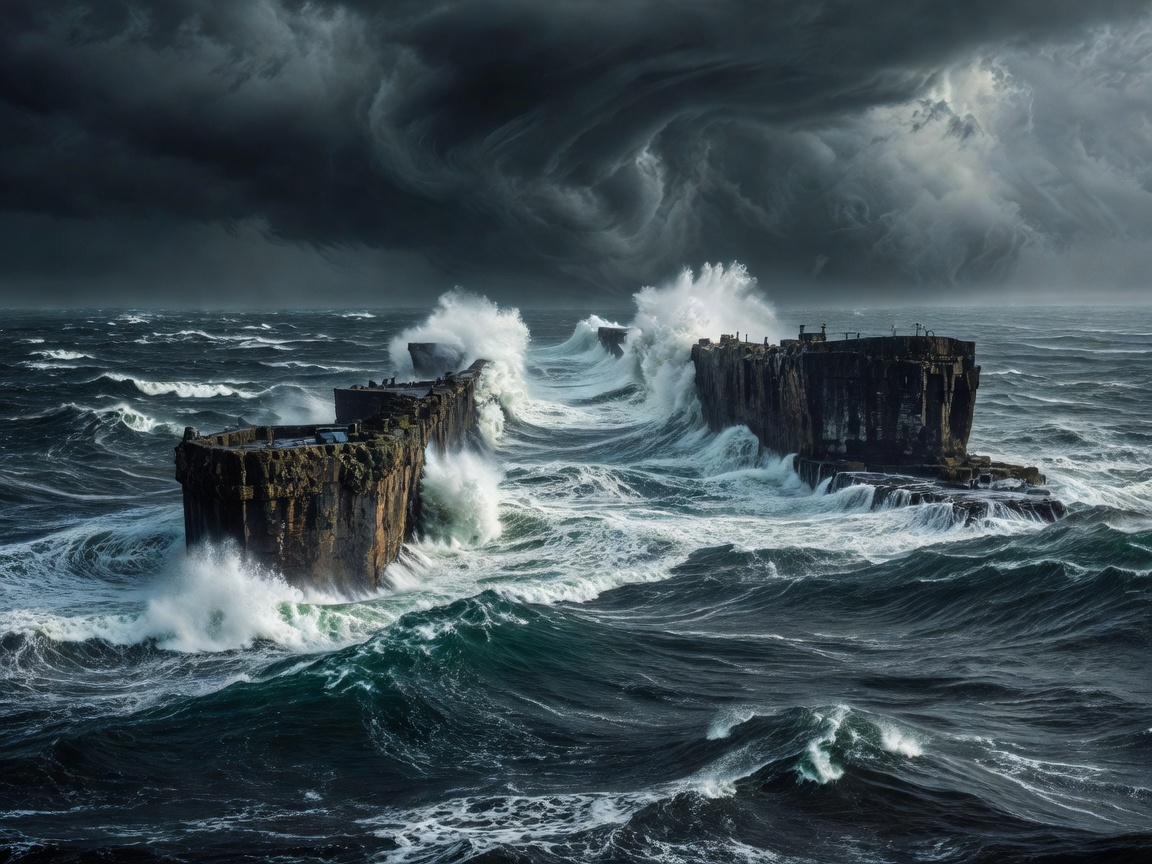
Visiting isolated offshore properties such as Spitbank Fort involves navigating the capricious tidal regime of the English Channel. Unlike mainland properties reachable by automobile, arrival is dependent on harbor authority safety bulletins.
Field Logistics Checklist:
- High-Speed Tender Embarkation: Private RIB (Rigid Inflatable Boat) crossings depart from Gunwharf Quays in Portsmouth. During Beaufort Force 7 gales or swell waves exceeding 2.5 meters, departures may be rescheduled for passenger safety.
- Lighthouse & Harbor Fog Signalling: Sea forts operate functional navigational fog bells and beacons adhering to Trinity House lighthouse standards. Light sleepers should carry molded ear plugs during autumn fog conditions.